Category: Uncategorized

  • Birthplace of Ossian by Connor Sherlock

    Birthplace of Ossian by Connor Sherlock

    Note: this post will contain spoilers for Birthplace of Ossian by Connor Sherlock. You really ought to go play it before you read this, it’s free and isn’t all that long.

    Birthplace of Ossian by Connor Sherlock belongs to one of my favorite genres of games: quiet walking simulators which don’t try to tell you some specific story, but exist as a sort of massive 3D sculpture for you to wander around in; until you get bored and decide that you’ve seen enough. Birthplace of Ossian is excellent for this, consisting of 100 square kilometers of fictional Scottish highlands to explore and meander through.

    Ossian was a fictional ancient Irish/Scottish poet who had large bodies of poetry supposedly collected and translated into English by Scottish poet James Macpherson in the 18th century. To tell an abbreviated version of events for the purposes of talking about this game, Macpherson wrote the poetry in English himself, and passed it off as translations from ancient Gaelic. It became wildly popular, and had a tremendous influence on the Romantic movement in the first half of the 19th century. Goethe even has Werther in The Sorrows of Young Werther reading a translation. Eventually though, people started really asking for the Gaelic originals, and the deception was discovered.

    A solid overview of this history is in an article which Sherlock quotes on the Itch page for Birthplace of Ossian, Ossian in Painting (1947) by Henry Okun. As is implied by the title, the character of Ossian himself, as well as a variety of scenes from the poems, became exceptionally popular subjects for painting throughout the 19th century.
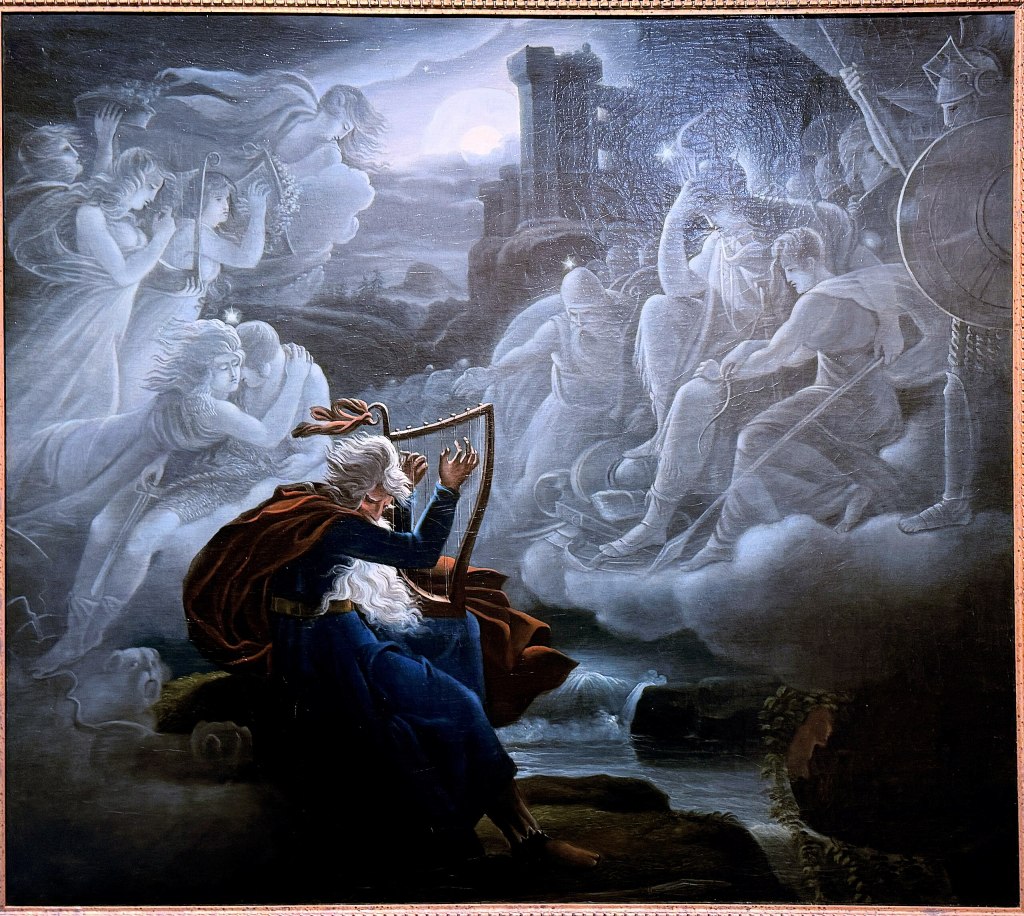
    The Sorrows of Ossian by Károly Kisfaludy, Budapest National Gallery

    Many of these paintings took very direct inspiration from Greek and Roman sources, especially Homer, as well as from Biblical scenes.
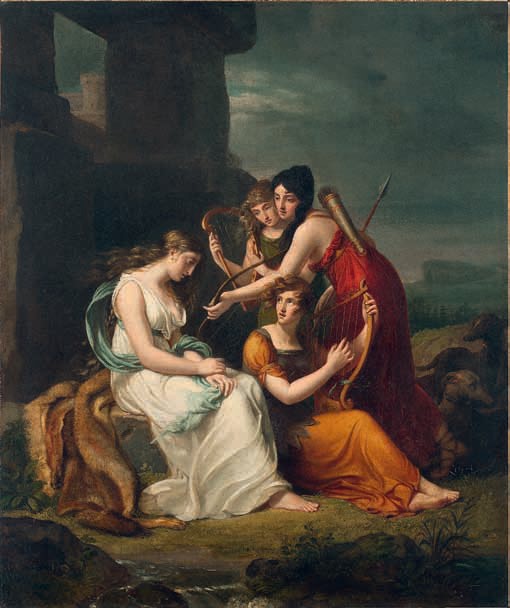
    Malvina Lamenting the Death of Oscar by Elizabeth Harvey

    Ossian was often depicted as an Irish or Scottish incarnation of Homer, or the two were sometimes depicted together. He was also blind and was depicted with a flowing white beard.
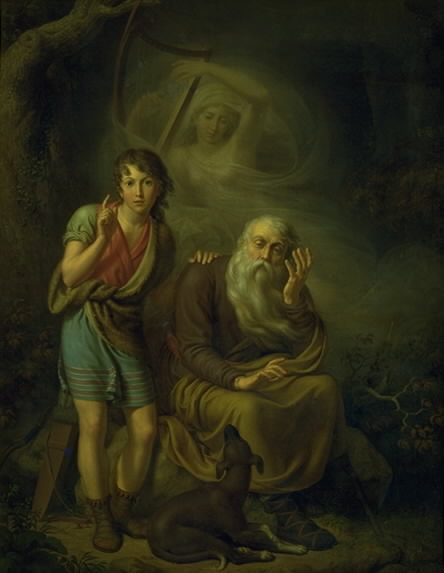
    Ossian and Alpin’s Son Hearing the Spirit of Malvina Touching the Harp by C.G. Kratzenstein

    This, in a fortuitous coincidence, thematically matched up to the original project of James Macpherson; much of his poetry that was supposedly written by Ossian also takes direct inspiration from the Bible and from classical literature, again mostly from Homer.

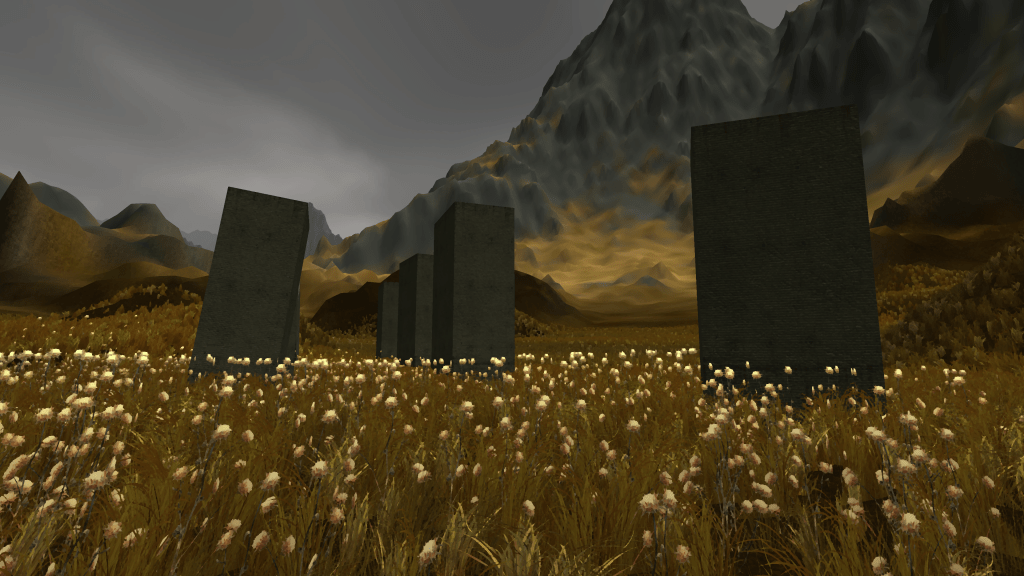
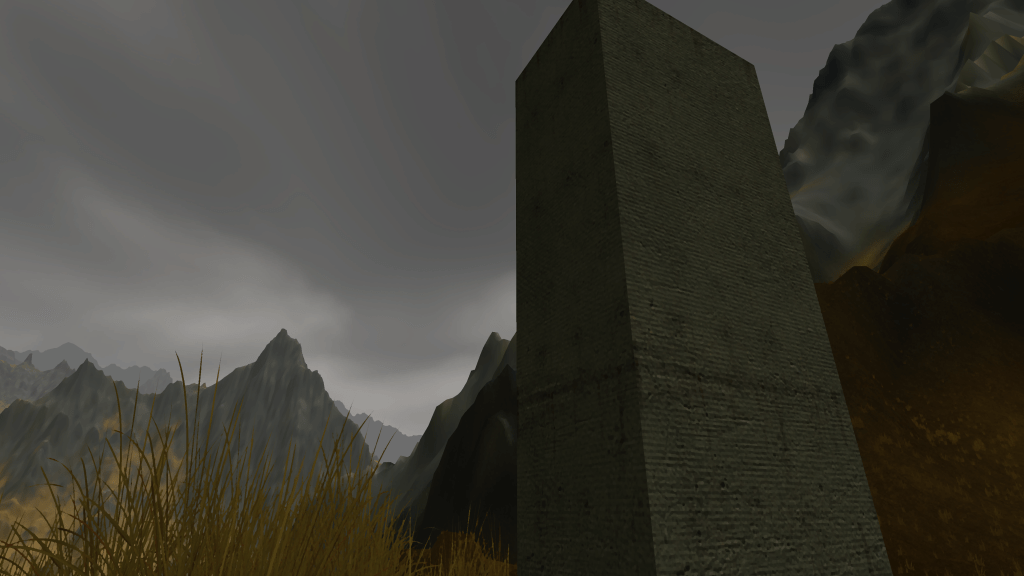
    Birthplace of Ossian exists uncomfortably in the center of this same tension between the authentically natural and the constructed. The game starts you off by dropping you into a rough and broken circle of standing stones in a hyper-exaggerated version of the Scottish Highlands. (While Ossian is based on the Irish folk character of Oisín, Macpherson recast him a Homeric bard in his native Scotland.) Your first view is of a contrast between towering mountains and perfectly squared off slabs of stone, carved by human hands (the screenshot above). Looming on a hill above nearby, over a field of flowers, another standing stone sits silhouetted.
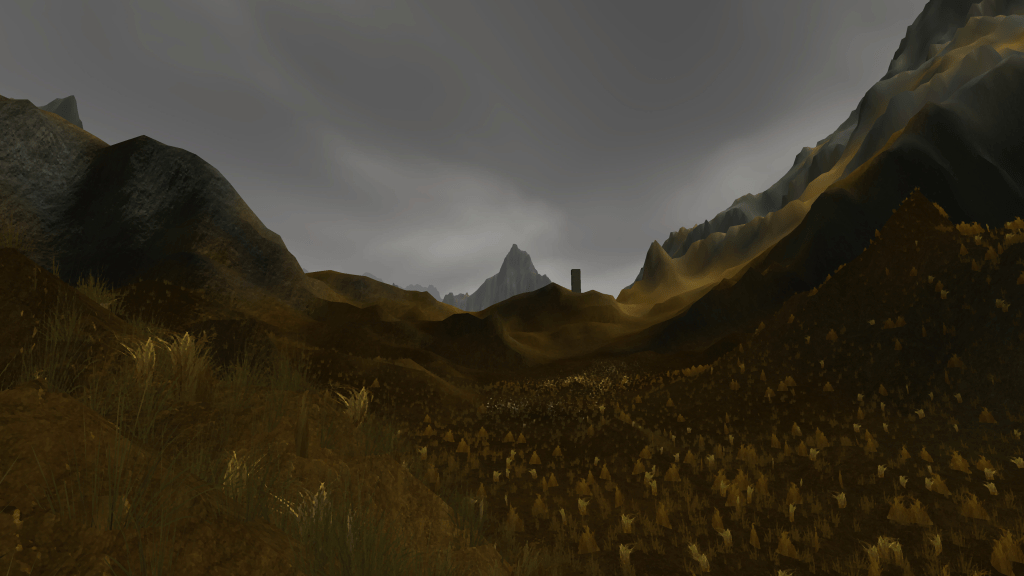
    However, when you approach, the stone is not some ancient carved bluestone slab, sanded down by millennia of the wind that dominates the game’s soundscape. Instead, it is a deceptively modern construction, made from reinforced concrete with subtly visible steel rebar. Like the modern construction of Macpherson’s Ossian, the rock is only pretending at antiquity.
    A droning music also fills in the gaps between the wind (Connor Sherlock is also a prolific composer), bearing the same tension. Although composed of distorted synths, you can almost hear the ringing of the harp that Ossian supposedly played his epics on, in digital facsimile.

    As you go, you see more and more standing stones, seemingly too square and just a little too big to be easily likened to a British standing stone.

    Deeper in to the seemly unending peaks, you spot more right angled standing stones peeking over a curved and natural mountainside. After a long and bumpy trek to get around the edge and see what’s there, the view hits like a punch in the mouth:
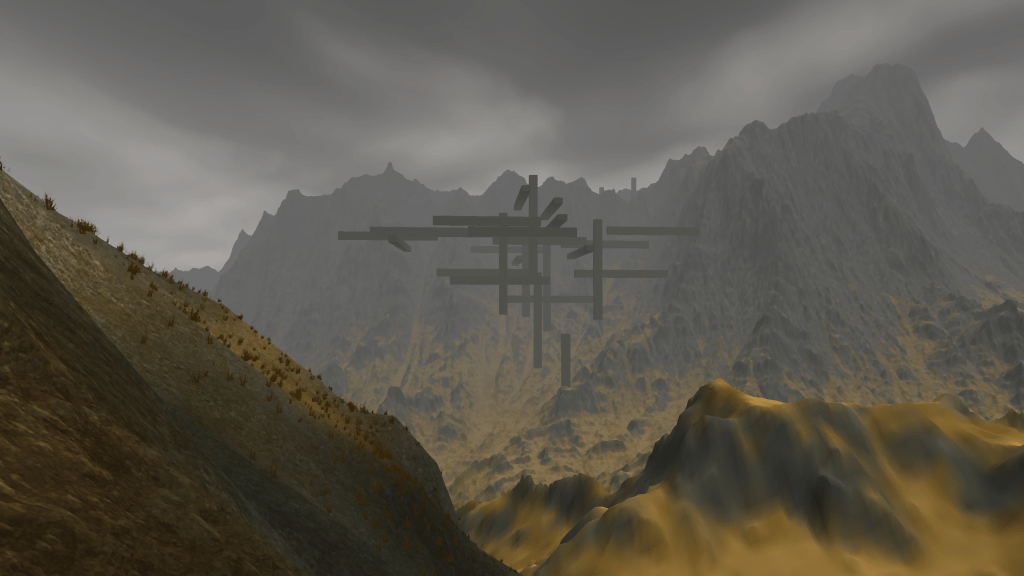
    Suddenly the landscape around seems to unravel, and you realize that its not just the rocks that are an artificial construction, the entire mountainous landscape is hewn from ones and zeros, a not even really realistic depiction of the Scottish highlands. The idea of the actual birthplace of Ossian may have been a construction of James Macpherson, but this is a digital reconstruction of a romantic idea imagining that original facsimile.

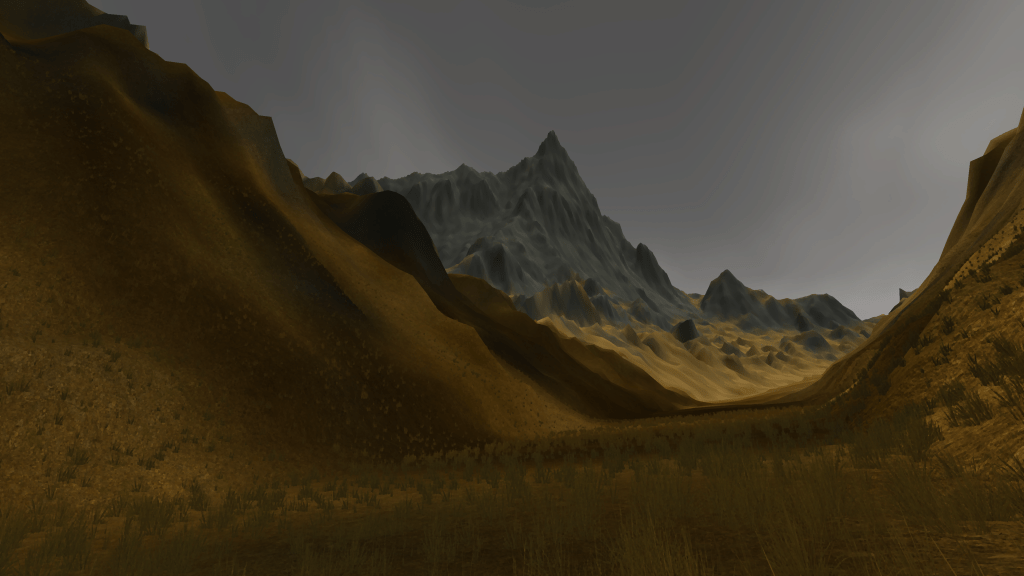
    Even the mountains themselves hint at this, being more akin to an imitation of the neoclassical and romantic paintings of Ossian’s world than an imitation of the world of the actual poetry that Macpherson penned in English. They seem to swim with literal brushstrokes.
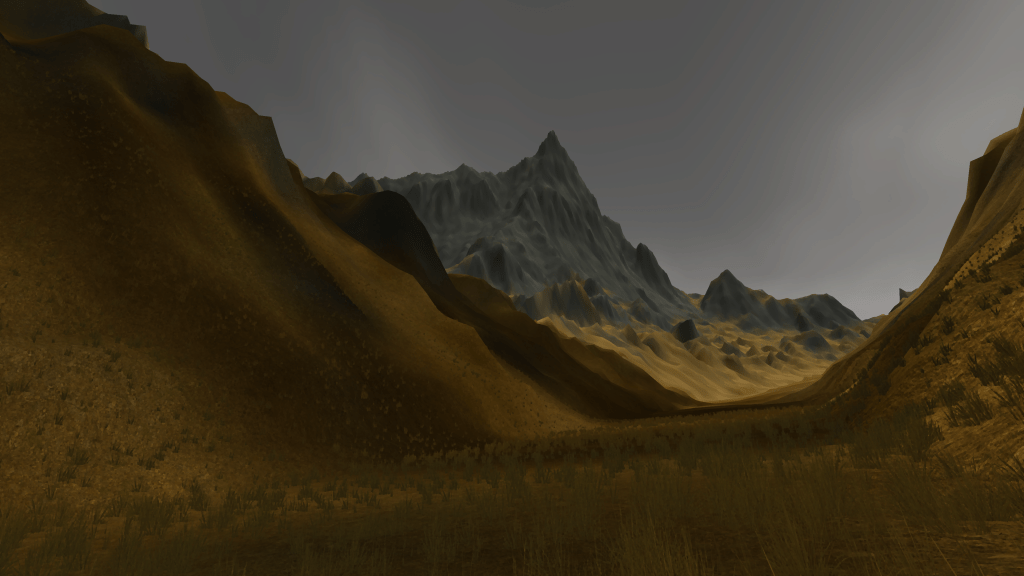
    The white flowers and grass which fill the foreground, on the other hand, are rendered, if not realistically, then more realistically. They don’t seem to have the same sort of painterly majesty that the mountains tower over you with.
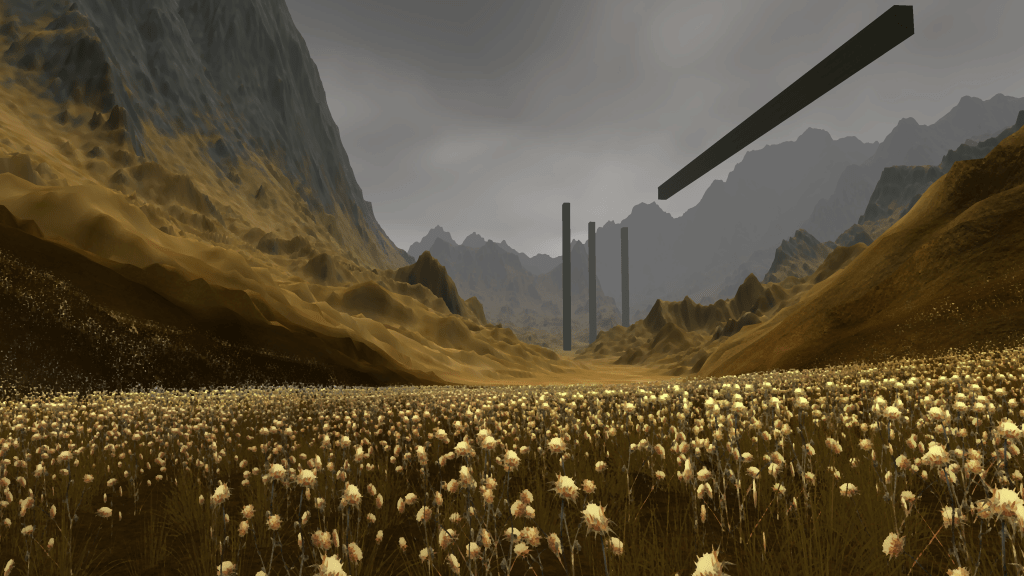
    Due to the way that Birthplace of Ossian is rendered, though, there is a awkward middle distance which is always present. A transitional zone between the painterly mountains and the photo-realism of the plants in front of you grows and shrinks as you walk.
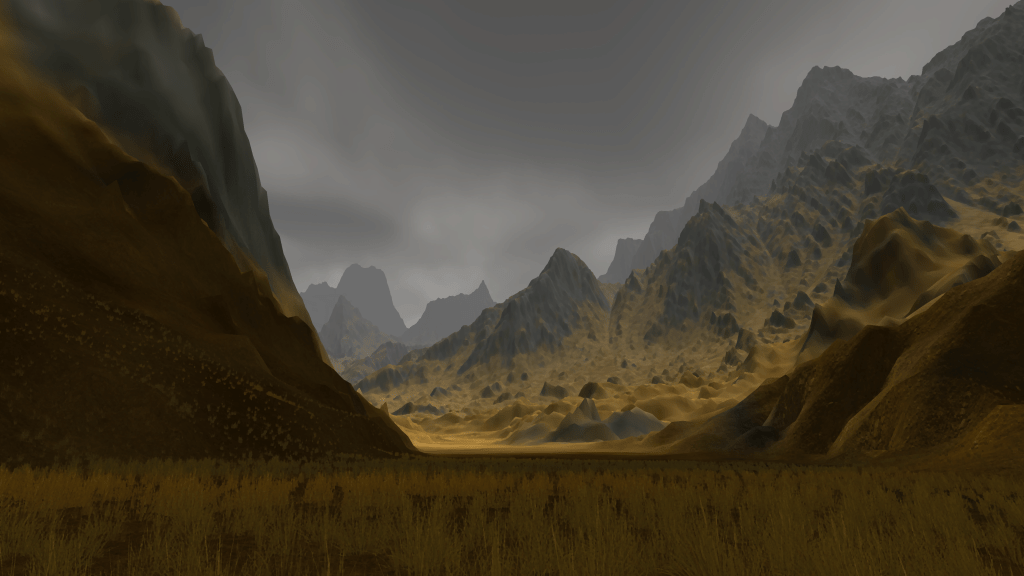
    This rough-hewn band seems almost from an earlier digital age; the unformed binary stuff that both the mountains and the grass and the alien monoliths are carved from. It sits in the tense space between them all, a visible reminder of the sharp stretch between the reality and the artifice that exists in your suspension of disbelief when you play any video game, or that all those painters might have recognized in the works of James Macpherson.
    If you liked the raw visuals, the droning synth music, or the themes exploring the tension between the natural and the man-made present in Birthplace of Ossian, these all exist in great abundance in the rest of Connor Sherlock’s work. This game serves as an excellent introduction to that body of work; if you are looking for a place to start, his Walking Simulator of the Month bundles are excellent, and at the time of writing, are on sale for ludicrously cheap. If you were just going to get one, I would recommend Far Future Tourism.
  • The Bookshelf Limbo by Deconstructeam

    The Bookshelf Limbo by Deconstructeam

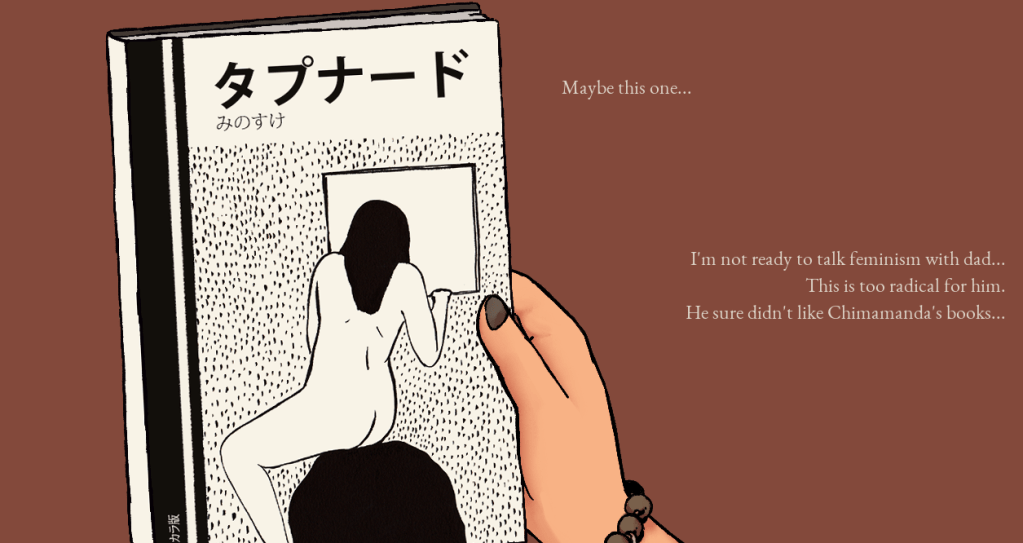
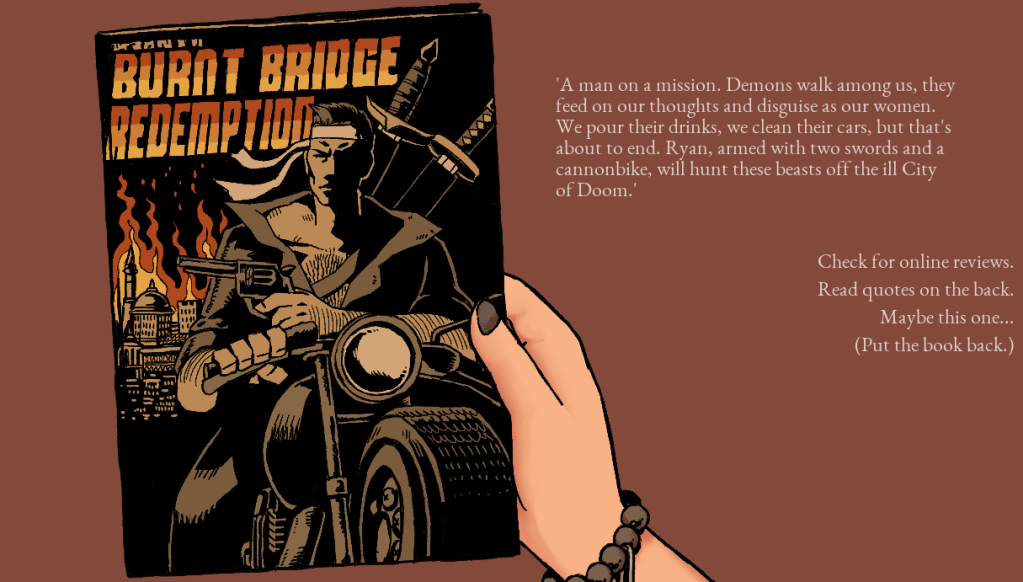
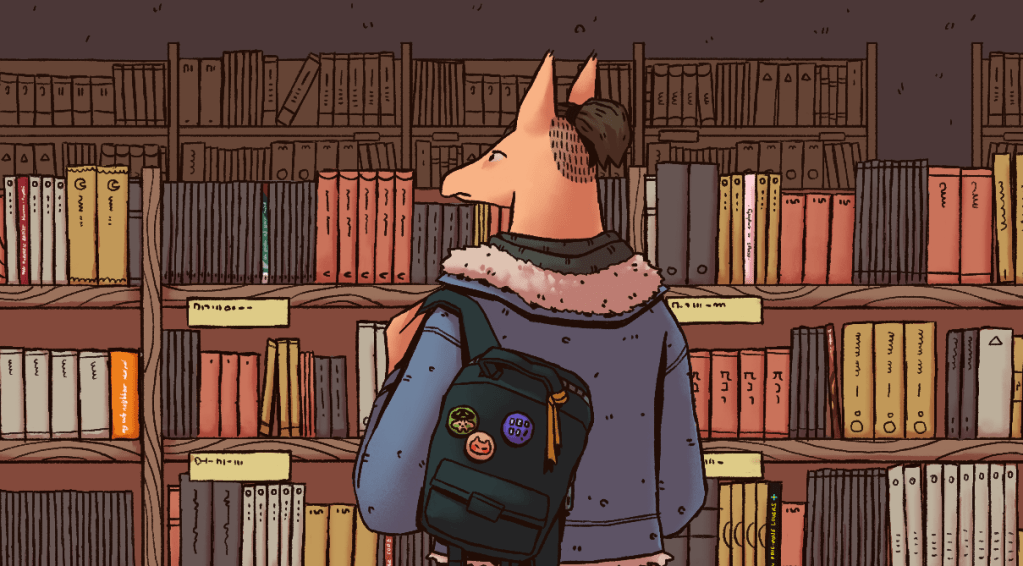
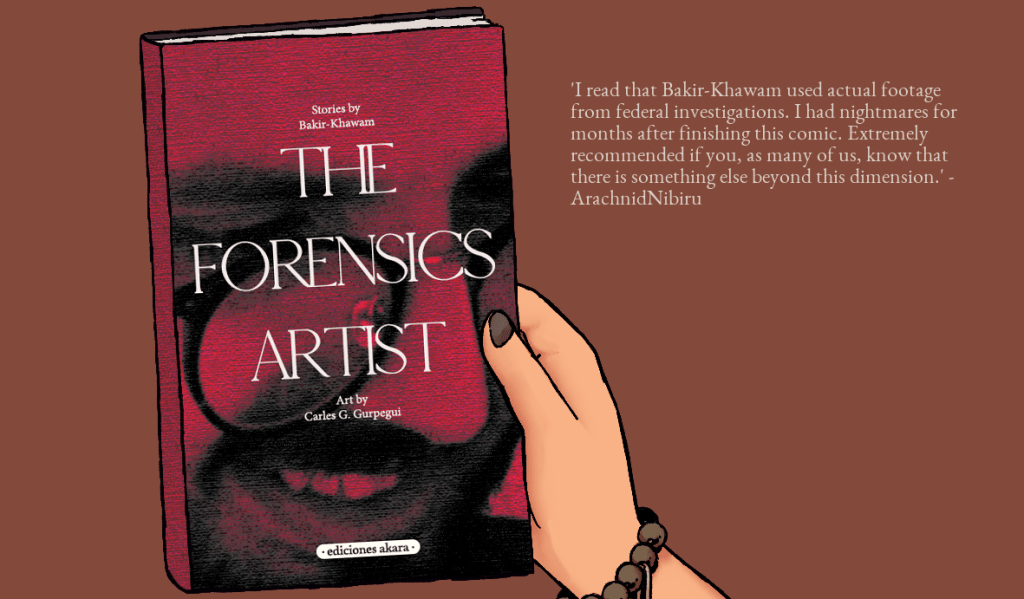
    In The Bookshelf Limbo by Deconstructeam, you play as someone who is at the bookstore trying to buy a comic book / graphic novel for their dad.

    As a medium, one of the strengths that games have is the capacity to give you interesting decisions to make. The story is written as a collaboration between the developer and the player, with both participants creating part of the emergent narrative. The Bookshelf Limbo encapsulates this tension perfectly, placing you down in the midst of a difficult and familiar real life decision.

    Buying somebody a book is a really difficult task. Receiving a book as a gift can be meaningful and moving, but more often the choice of a book says a lot more about the giver than the recipient. People’s tastes in books are usually quite personal, and even if you know someone well, it’s tough to pick something they will read and enjoy. One of the most meaningful kinds of book as a gift is something shared, something liked by both people involved. At least for me, this is often too meaningful – I want to give people something they will like without the gift being some kind of commentary on the relationship.

    The character of the protagonist in The Bookshelf Limbo is slowly revealed as you play – or more accurately, the nature of their relationship with your father is revealed. Each book you look at gives you the option to read a synopsis, some reviews, and the back, but no matter which book you you try to select, the main character rejects it for a series of reasons.

    Some books have themes which will involve too difficult of a conversation with the character’s father. Some books too directly seem like a commentary on the (apparently strained) relationship between these characters. Some books are so clearly not to the protagonist’s taste, others are so clearly not to the father’s.

    These provided reasons are the narrative of the developer in the Bookshelf Limbo. Your contribution, as the player is just one, single, interesting choice – which of the characters objections will you override? You do have to pick something, and some kind of compromise has to be reached, in both senses of the word.

    Do you compromise the main character’s dignity, and pick something distasteful you think their father would like? Do you compromise the relationship between them, with something challenging that could lead to a relationship altering conversation? Or do you pick something completely banal, and maintain the slightly awkward status quo?

    As a conversation between you and the developer, a narrative emerges. A broken relationship being mended, or an amicable but distant one maintained as it is, or something else entirely. As one final twist at the end, the Bookshelf Limbo gives you a choice between a set of messages which pretty directly comment on the relationship to include with the gift, and forces you to pick one. The protagonist takes back control and overrides your choice, making it for themselves.

  • The Children of Clay by messier

    Do you ever meet somebody doing a really cool career and wonder: “What would I have to have done in order to be doing that every day instead of what I’m doing now?” I really love what I do every day (I’m a linguist), but this still happens to me a few times a week. I wish I was an oceanographer, or an experimental archaeologist, or an artisanal carpenter for only around 5 or 10 minutes.

    The Children of Clay is a 5-10 minute long horror / archaeology game by messier on itch.io. I love this sort of thing, as it lets me indulge myself in this fantasy of doing a job for exactly how long that daydream lasts anyway.

    When I was a kid (elementary school age) I really wanted to be an archaeologist. My teacher assigned us to find a person doing the job that we wanted when we grew up, and interview them. I diligently found an archaeologist at a local university, and after an hour of talking about what an archaeologist spends their time doing (apparently a lot of brushing dirt off of rocks hoping that they are actually potsherds), I no longer had any Indiana Jones aspirations.

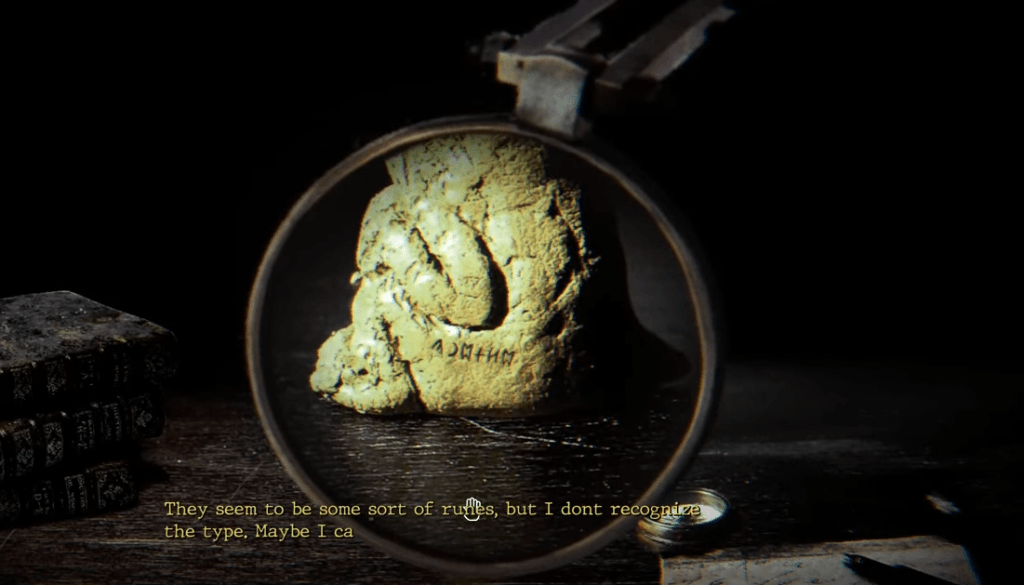
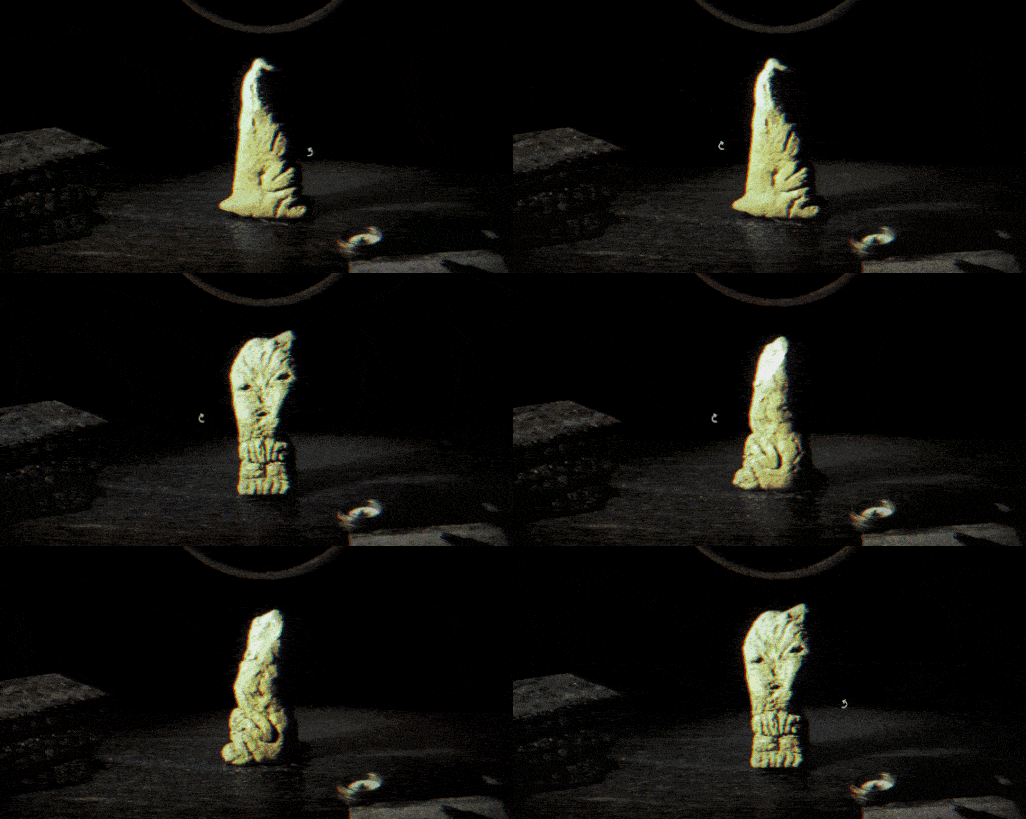
    messier has filled the Children of Clay with all of the accoutrements necessary to indulge yourself in the fantasy of being an archaeologist for a few minutes. They seem to have actually physically made the artifact you’re examining in the game and photographed it from every angle. The stop motion as the little Cthulhian idol turns back and forth is wonderfully creepy.

    The particular variant of archaeology fantasy being expressed here is very specific – you’re the kind of occult investigator who who would work at Miskatonic University in a Lovecraft short story, who would inevitably end up dead or incurably insane. You spend your working hours dredging through piles of musty books and take joy at gazing with horror on pulpy bas-reliefs. You wear a tweed jacket and probably smoke a pipe, getting horrible smoky residue on all of the artifacts you are supposed to be conserving.

    The game also has a research/note-taking system that lets you search your books and notes for keywords. I found a few sort of hidden things by looking up words related to the artifact, but I’m absolutely sure there’s more I didn’t get.

    My favorite part is a short section where you have to identify and translate some runes written on the side of artifact. I might, however, be a little biased here, as any hint of my beloved linguistics in video games makes me happy.

    Now go and play The Children of Clay, and harrumph with academic exasperation at what those foolish antiquarians have unearthed this time.

  • Opening the Binary Ziggurat

    A few years ago, there was a blog I really loved called Itching for More. Maybe because of the common idiom in the title, or maybe because it doesn’t exist any more, I can’t find it now. (If any of you have a link I would appreciate it!) The author gave attention and interesting discussion to relatively tiny itch projects that were among some of the most interesting stuff I had ever seen.

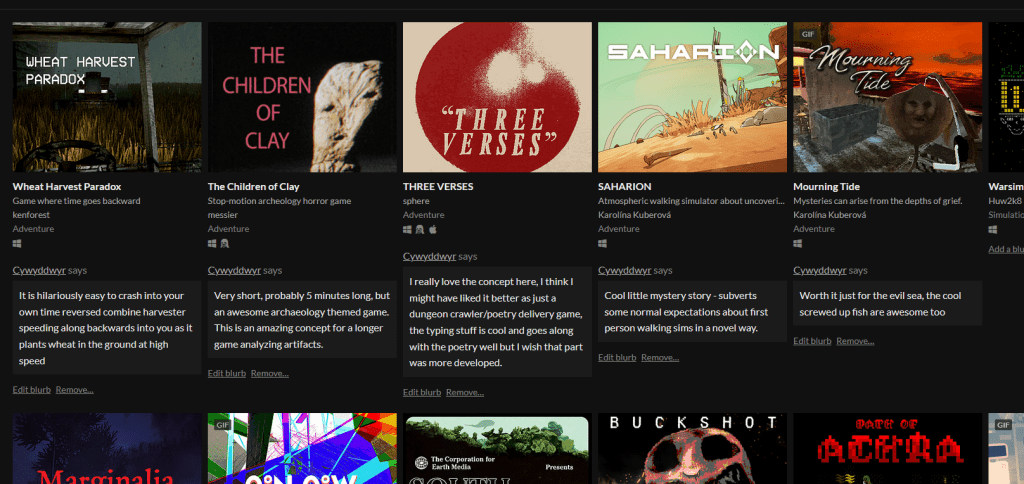
    Since reading Itching for More in like 2018, one of my main activities during my free time has been trawling itch for interesting stuff (catalogued here). My private “to play” list has ballooned to around 2000 items, while I’ve only made it through about 500 itch games in that time. I really enjoyed writing the little blurbs that you can post on itch on a collection, so I’ve been meaning to start something like this for a while.

    If you do like reading my disorganized thoughts about these things, I would appreciate your comments or recommendations! As fun as talking and writing about this stuff it, I really want to share it with people and discuss, and I’ve annoyed the people I know in meatspace enough already.