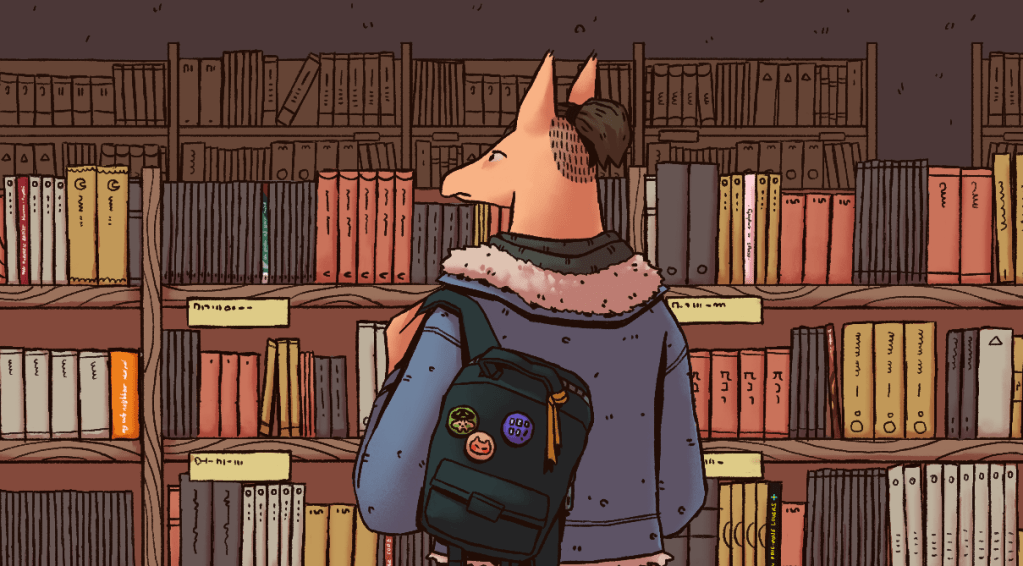
In The Bookshelf Limbo by Deconstructeam, you play as someone who is at the bookstore trying to buy a comic book / graphic novel for their dad.
As a medium, one of the strengths that games have is the capacity to give you interesting decisions to make. The story is written as a collaboration between the developer and the player, with both participants creating part of the emergent narrative. The Bookshelf Limbo encapsulates this tension perfectly, placing you down in the midst of a difficult and familiar real life decision.
Buying somebody a book is a really difficult task. Receiving a book as a gift can be meaningful and moving, but more often the choice of a book says a lot more about the giver than the recipient. People’s tastes in books are usually quite personal, and even if you know someone well, it’s tough to pick something they will read and enjoy. One of the most meaningful kinds of book as a gift is something shared, something liked by both people involved. At least for me, this is often too meaningful – I want to give people something they will like without the gift being some kind of commentary on the relationship.
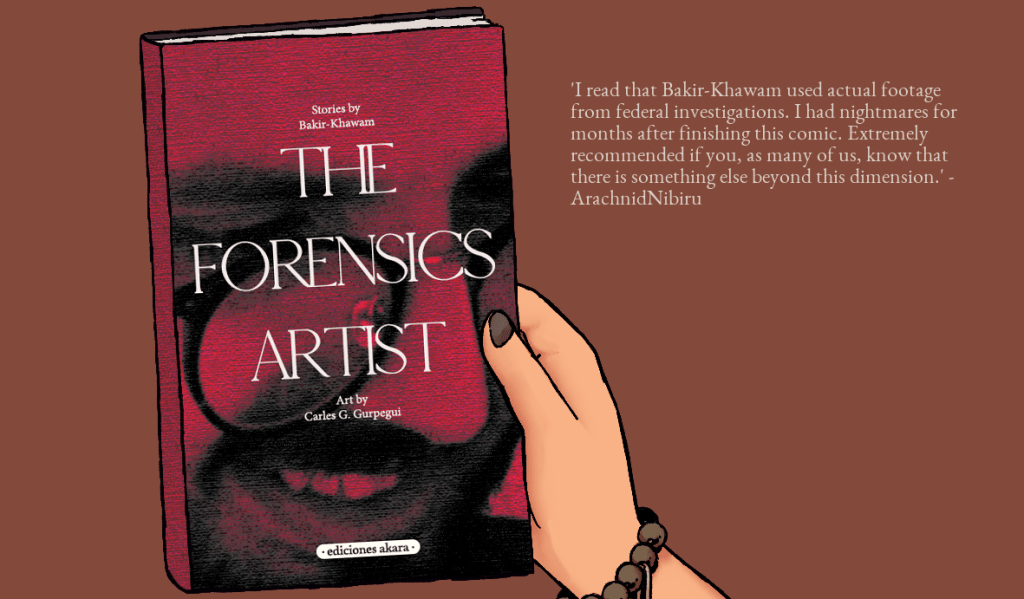
The character of the protagonist in The Bookshelf Limbo is slowly revealed as you play – or more accurately, the nature of their relationship with your father is revealed. Each book you look at gives you the option to read a synopsis, some reviews, and the back, but no matter which book you you try to select, the main character rejects it for a series of reasons.
Some books have themes which will involve too difficult of a conversation with the character’s father. Some books too directly seem like a commentary on the (apparently strained) relationship between these characters. Some books are so clearly not to the protagonist’s taste, others are so clearly not to the father’s.
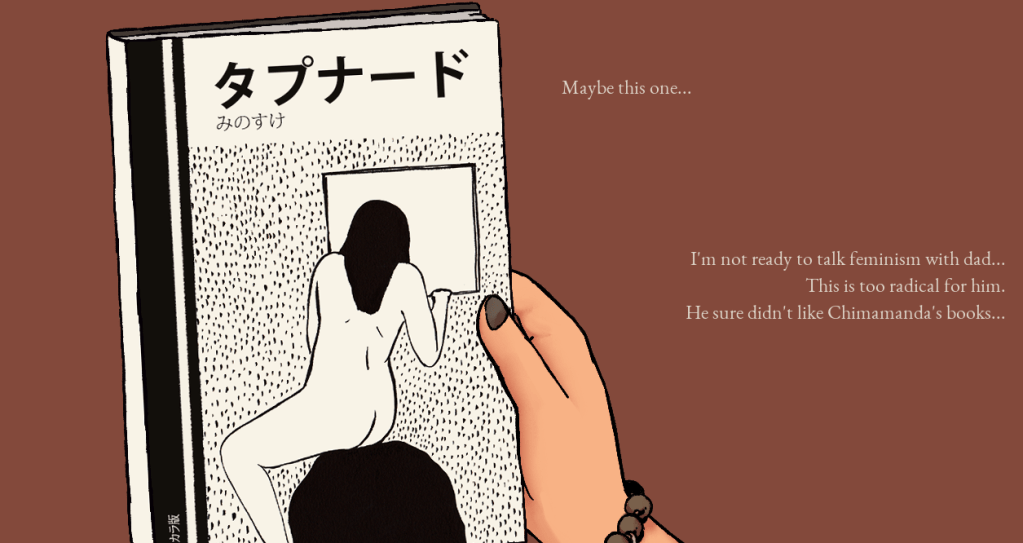
These provided reasons are the narrative of the developer in the Bookshelf Limbo. Your contribution, as the player is just one, single, interesting choice – which of the characters objections will you override? You do have to pick something, and some kind of compromise has to be reached, in both senses of the word.
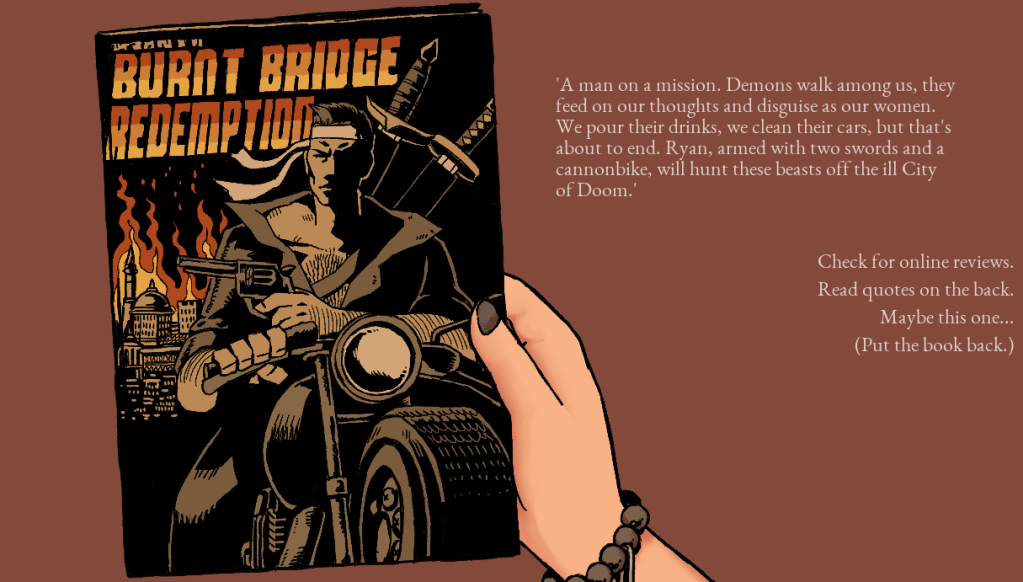
Do you compromise the main character’s dignity, and pick something distasteful you think their father would like? Do you compromise the relationship between them, with something challenging that could lead to a relationship altering conversation? Or do you pick something completely banal, and maintain the slightly awkward status quo?
As a conversation between you and the developer, a narrative emerges. A broken relationship being mended, or an amicable but distant one maintained as it is, or something else entirely. As one final twist at the end, the Bookshelf Limbo gives you a choice between a set of messages which pretty directly comment on the relationship to include with the gift, and forces you to pick one. The protagonist takes back control and overrides your choice, making it for themselves.
 The Binary Ziggurat
Leave a comment